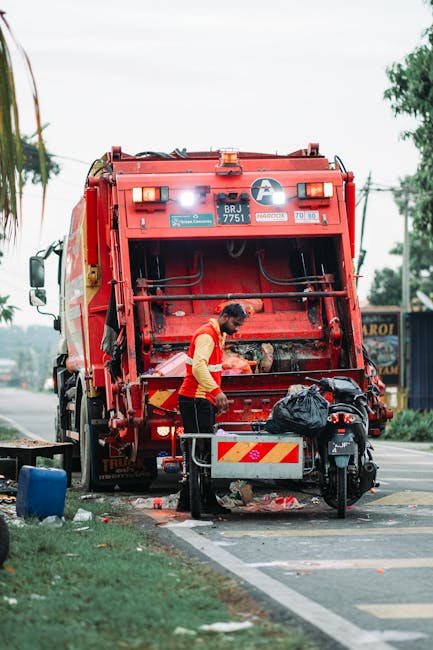
After event rubbish removal near Sidcup Station: a practical guide for fast, tidy, stress-free clearances
If you have just hosted a party, community gathering, private function, or promotional event, the last thing you want is to face a carpet of cups, broken packaging, food waste, and half-empty bin bags the next morning. After event rubbish removal near Sidcup Station is all about getting that post-event mess cleared quickly, safely, and without turning your venue, home, or business into a weekend-long recovery job.
In a busy local spot like Sidcup Station, timing matters. Footfall, traffic, limited loading space, and the general "we need this sorted now" feeling can make waste removal more stressful than the event itself. This guide walks you through how the service works, what to expect, how to choose the right method, and the small details that make a big difference. No fluff. Just the useful stuff.
Why After Event Rubbish Removal near Sidcup Station Matters
Event waste has a habit of multiplying quietly. One bin bag becomes three, then cardboard packaging starts piling up beside catering trays, and before long the whole space feels cluttered. Near Sidcup Station, that matters because local access can be tighter than people expect, especially around arrival and departure times. If rubbish is left out too long, it can obstruct walkways, attract pests, and create a bad impression for neighbours, guests, or customers passing by.
There is also a simple reputational point. If you run a venue, office, pop-up, church hall, or private hospitality event, the clean-up is part of the experience. Guests might remember the food, the music, the atmosphere. But they also notice if rubbish is left in sight the next day. To be fair, no one wants to walk past a stack of black bags and spilled confetti on their way to the train.
Another reason it matters is safety. Post-event waste often includes broken glass, damp packaging, food residue, cable ties, and the occasional sharp decoration. Mixed waste can turn into a slip hazard quickly, especially if the weather changes overnight. A proper clearance reduces that risk and helps you reset the space properly.
For larger clean-ups, event waste often overlaps with other services. You might need a broader rubbish removal solution, or if the event involved temporary structures, equipment, or a bigger venue reset, something closer to site clearance. The point is not just removal. It is restoring order without dragging the job out.
How After Event Rubbish Removal near Sidcup Station Works
Most after-event clearances follow a simple pattern. First, you identify the type and volume of waste. Then you decide whether you need a man-and-van collection, a skip, grab hire, or a wait-and-load option. After that, the waste is loaded, taken away, and sorted for reuse, recycling, or disposal where appropriate.
In practice, the best method depends on access and timing. A small birthday party in a flat near the station may only need a quick collection. A public event, corporate function, or community fair can generate bulky mixed waste and awkward items like fold-up tables, cardboard backdrops, drinks trays, or display materials. If there is limited space on the road, a wait-and-load skip hire approach can be useful because the vehicle stays on site only long enough to load.
For waste that arrives in a rush or needs dealing with the same day, a service such as same day skip hire may be the sensible choice. If you need someone to do the lifting and loading for you, man and van style clearance can be easier than organising bags yourself. There is no single perfect option. That is the honest answer.
The key operational step is segregation. Cleaner waste streams are easier to manage and usually easier to recycle. Cardboard, general waste, food waste, bulky mixed items, and recyclable packaging should not all be thrown together if you can avoid it. A little sorting upfront saves time later. Every time.
Key Benefits and Practical Advantages
Good event waste removal is not just about clearing a mess. It affects the whole post-event recovery process. You get the venue back sooner, you reduce stress, and you avoid the awkward "we will sort that later" pile that somehow lasts until Wednesday.
- Faster turnaround: Spaces can be reset for the next booking, workday, or family use without delay.
- Less disruption: A planned clearance is less messy and far less stressful than multiple ad hoc bin runs.
- Better presentation: Clean spaces help protect your reputation and make follow-up visits much easier.
- Safer environment: Glass, staples, cords, and packaging are removed before they cause accidents.
- More efficient recycling: Sorted waste is easier to route into appropriate recycling streams.
There is also a subtle benefit that gets overlooked. A tidy post-event handover makes future planning easier. If you know how much waste a wedding reception, staff party, or local fundraiser produces, you can size the next clearance more accurately. That saves money and avoids over-ordering. It sounds boring, but it matters.
If your event involved food service, banners, promotional material, furniture hire, or temporary fittings, it may be worth combining waste removal with other clean-up support such as house clearance or office clearance when the venue is a domestic or workplace setting. The best outcome is usually the one that clears the whole problem in one go.
Who This Is For and When It Makes Sense
This type of clearance suits anyone who ends an event with more waste than their normal bins can handle. That sounds obvious, but in real life the threshold arrives quickly.
You may need it if you are:
- a homeowner hosting a birthday, anniversary, or garden gathering;
- a pub, cafe, restaurant, or venue manager dealing with a busy weekend;
- an organiser of a market stall, local fair, or promotional pop-up;
- a school, club, or community group cleaning up after a fundraising event;
- a business hosting a client event, open day, or team celebration.
It also makes sense when waste has a mixed profile. For example, an indoor conference may produce paper, food containers, bottled drinks, cardboard displays, and broken packaging all at once. A garden event might leave behind turf offcuts, disposable decor, catering debris, and a few damaged items. If there are bulky or awkward objects, a dedicated clearance is often simpler than repeatedly filling standard bins.
One common local scenario is a venue close to the station that needs cleared before early commuters start passing by. In that case, speed and discretion matter almost as much as price. Nobody wants bags sitting out front at 7:30 a.m. while someone is trying to catch a train with coffee in hand. Not ideal.
Step-by-Step Guidance
If you want the clean-up to run smoothly, a bit of planning goes a long way. Here is a straightforward way to handle it.
- Walk the site after the event. Do a full sweep of indoor and outdoor spaces. Check behind furniture, under tables, around entrances, and in any storage area used during the event.
- Separate the obvious waste streams. Put cardboard, general rubbish, food waste, and bulky items into different piles where possible. Even rough sorting helps.
- Identify anything special. Look for items that need extra care, such as glass, electrical equipment, fixtures, or confidential paperwork.
- Choose the right removal method. For smaller loads, rubbish removal is often the quickest fit. For heavier, bulkier loads, compare skip and grab options.
- Check access and timing. Near Sidcup Station, vehicle access and loading space can affect what is practical. Think about road width, parking restrictions, and busy periods.
- Book the clearance early. The sooner you book, the easier it is to match collection time to the end of the event.
- Confirm what can and cannot go. For mixed loads, review what can go in a skip so you do not accidentally include restricted materials.
- Keep the loading area clear. Bags, boxes, and bulky waste should be gathered in one place to reduce handling time.
- Do a final sweep. Check for tape, ties, loose lids, paper scraps, and smaller items that are easy to miss in low light.
If the waste includes larger, heavier, or awkward items, a grab vehicle may be more efficient because it can lift substantial volumes without you having to do all the labour. That can be especially useful after outdoor events where waste is spread across a wider area. A tidy plan, even a simple one, saves a lot of faffing about later.
Expert Tips for Better Results
Here is the part people often skip, and then regret.
Tip one: stage the waste as the event winds down, not just at the end. If staff or helpers can move empties, cardboard, and obvious debris into one area during the final hour, the actual collection becomes quicker and cleaner. You will notice the difference straight away.
Tip two: think about weather. If rain is forecast, cardboard and paper can become heavy and awkward very quickly. That can turn a simple job into a soggy one. If you can, protect the waste from overnight damp.
Tip three: for events with food and drink, separate liquids and food waste before loading. It reduces smells, mess, and the chance of leakage during transport. No one wants the van to smell like a forgotten buffet tray by lunchtime.
Tip four: if you are dealing with mixed event waste in a place with limited room, consider a small, fast-moving solution rather than a large container that sits around too long. Sometimes simplicity wins.
Tip five: ask about recycling routes. A responsible operator should be able to explain how waste is handled and what happens to recyclable material. That does not mean every item can be recycled, but it is fair to expect a clear approach.
And one more thing: do not let the clean-up become a second event. Keep it focused, short, and organised. That is the secret, really.
Common Mistakes to Avoid
Most post-event waste problems are avoidable. The trouble is, people are tired when the event ends, so the obvious steps get skipped.
- Leaving everything in one pile: mixed waste is harder to sort, load, and recycle.
- Ignoring access issues: a collection vehicle may not be able to park where you assumed.
- Underestimating volume: events always produce more rubbish than people expect. Always.
- Forgetting about bulky extras: signage, decor frames, broken chairs, and packaging can be missed in the planning.
- Not checking restricted items: some materials need specialist handling and should never be added to general event waste.
- Booking too late: if you wait until the next day, you may find the timing is less convenient or more expensive.
Another mistake is assuming a standard bin collection will sort everything. That works for tiny events, sure, but once you have multiple bags, broken packaging, and large quantities of mixed rubbish, a dedicated service is usually the cleaner solution. It saves time and, frankly, sanity.
Tools, Resources and Recommendations
You do not need elaborate equipment to manage post-event waste well. A few practical tools make the job much easier.
- Heavy-duty sacks: useful for general waste, but do not overfill them.
- Clear crates or boxes: handy for cardboard, bottles, and reusable items.
- Gloves and basic PPE: sensible when dealing with sharp or dirty waste.
- Floor sweepers or brooms: useful for confetti, food crumbs, and loose debris.
- Tape and labels: help staff or helpers separate waste categories quickly.
For larger or mixed loads, it can help to compare the practical differences between skip hire and grab lorry hire. A skip can suit waste that is gathered in one place over a short period, while a grab lorry may be better when waste is already stacked and you need fast removal from a difficult access point. If access is especially tight, you may also want to look at wait and load skip hire.
For pricing and planning, the most useful next step is usually to review skip sizes and prices and then decide whether the waste profile suits a skip, a direct collection, or a mixed approach. That little bit of thinking upfront avoids awkward surprises later.
Law, Compliance, Standards and Best Practice
Event waste removal in the UK needs sensible handling, especially where business premises, public access, or mixed material are involved. You do not need to become a compliance expert to get this right, but you do need to treat waste carefully and use a responsible operator.
Best practice generally means keeping waste secure, preventing litter escape, and avoiding contamination between recyclable and non-recyclable material. If an event involves confidential paperwork, branded documents, or attendee records, it is worth separating those items and using a specialist option such as confidential shredding. That is a very different job from general rubbish removal, and mixing the two is asking for trouble.
Any hazardous or potentially harmful items should be handled separately. That includes chemicals, certain cleaning products, sharp contaminated materials, or anything you are unsure about. When in doubt, do not guess. A reputable provider should be able to steer you toward the right disposal route, and if a specialist stream is required, it is better to identify that early.
If your event is linked to a business operation, you should also think about records, duty of care, and responsible handling from collection through to disposal. The details vary by site and material, but the principle stays the same: use clear separation, secure transport, and a provider that takes waste management seriously. A bit boring? Yes. Necessary? Absolutely.
Options, Methods, or Comparison Table
Choosing the right method for event rubbish removal depends on waste type, access, speed, and how much lifting you want to do yourself. The table below gives a simple practical comparison.
| Method | Best for | Strengths | Limitations |
|---|---|---|---|
| Rubbish removal | General post-event waste, bagged items, quick clearances | Simple, fast, low effort | May not suit very bulky or very large loads |
| Skip hire | Mixed waste, heavier volumes, phased loading | Flexible loading window, useful for larger jobs | Needs space and possibly a permit depending on placement |
| Grab lorry hire | Bulky piles, outdoor events, difficult loading areas | Fast loading, handles bigger volumes well | Less useful for tightly packed indoor-only access |
| Wait and load | Restricted parking, station-adjacent locations, short loading windows | Very efficient where space is tight | Requires waste to be ready to go when the vehicle arrives |
If you are still unsure, that usually means the access or waste mix is more complicated than expected. In that case, a short discussion with the provider is worth more than another hour of guessing.
Case Study or Real-World Example
Here is a realistic example. A small community hall near Sidcup Station hosts a Saturday evening celebration with buffet food, cardboard decor, disposable tableware, and a few broken boxes from last-minute deliveries. By Sunday morning, the hall needs to be ready for a daytime hire. The organiser does a quick walk-through after the event and realises there are three distinct waste streams: general rubbish, cardboard and packaging, and a couple of bulky items that will not fit into ordinary bins.
Rather than leaving it all to the building caretaker, they book a collection for first thing Sunday. The waste is gathered into one loading area, the fragile glassware is separated, and the cardboard is kept dry overnight. The collection is completed quickly, the floor is swept, and the hall is ready for the next booking by midday.
What made the difference? Three things. They planned early, they sorted the waste before collection, and they chose a method that matched the site access. Simple enough. But that is often the difference between a calm reset and a miserable cleanup that drags on for hours.
Practical Checklist
Use this quick checklist before and after the event so the clearance runs smoothly.
- Confirm the finish time and clean-up window.
- Identify the main waste types expected.
- Set aside a single loading point if possible.
- Keep recyclable cardboard separate from mixed rubbish.
- Remove liquids and food waste early if they may leak or smell.
- Check access, parking, and any loading restrictions near the station.
- Set aside bulky items that may need special handling.
- Review what can go in a skip if you are choosing a skip-based option.
- Prepare gloves, sacks, and basic cleaning tools.
- Book the collection before the site starts looking chaotic.
- Do a final sweep for glass, tape, and smaller debris.
It is a small list, but it saves a lot of grief. And when you are tired, a list is worth its weight in gold.
Get a free quote today and see how much you can save.
Conclusion
After-event waste removal is one of those jobs that looks simple until you are standing in the middle of it. Near Sidcup Station, where access, timing, and presentation all matter, the right approach can make the difference between a smooth reset and a messy delay. Whether you need a quick collection, a skip, a grab lorry, or a wait-and-load arrangement, the goal is the same: clear the waste efficiently, protect the space, and get everything back to normal without fuss.
If you plan the clearance early, separate your waste sensibly, and choose the method that fits the site, the whole process becomes much easier. Not perfect, maybe. But definitely manageable. And that is often enough.
If you want a deeper understanding of who is behind the service, you can also read more about the team and review the company's recycling and sustainability approach. When you are ready, the next step should feel reassuring, not complicated.
Frequently Asked Questions
What is after event rubbish removal near Sidcup Station?
It is the collection and disposal of waste left behind after a party, gathering, function, or public event near Sidcup Station. It usually includes general rubbish, packaging, food waste, and sometimes bulky items.
How quickly can post-event rubbish be removed?
It depends on access, load size, and the type of service you choose. For urgent jobs, options such as same day skip hire may be suitable, while smaller loads can often be collected very quickly.
Is rubbish removal better than skip hire for events?
Not always. Rubbish removal is often better for smaller or simpler clearances. Skip hire can suit bigger events where waste builds up over time. The right choice depends on space, volume, and how much loading you want to do yourself.
What kind of waste is common after an event?
Typical event waste includes cups, food packaging, cardboard, plastic bottles, napkins, display materials, decorations, and broken miscellaneous items. Some events also produce confidential papers, electrical waste, or bulky furniture.
Do I need a permit for a skip near Sidcup Station?
You may need one if the skip is placed on a public road or highway. If it is on private land, a permit may not be required. For anything uncertain, check skip hire permits or speak with the provider before booking.
Can I put food waste in the same load as general rubbish?
Often yes, but it is usually cleaner to keep wet food waste separate where possible. That helps with smell, leakage, and handling. If you are unsure, ask how the waste should be prepared before collection.
What happens to event waste after collection?
It is normally sorted for recycling, recovery, or disposal depending on the material. Good providers will try to recycle suitable waste streams where they can, rather than sending everything to landfill.
What if my event generated bulky items as well as bags of rubbish?
That is common. Bulky items may need a different removal method, such as grab hire or a tailored clearance service. The best option depends on how heavy, awkward, or numerous the items are.
Is wait and load useful for stationside or tight-access locations?
Yes, very often. If parking is limited or you need a fast turnaround, wait and load skip hire can be a practical choice because waste is loaded quickly without leaving equipment on site for long.
How do I keep the clean-up from taking over the whole next day?
Prepare one loading area, sort waste as the event ends, and book removal before the cleanup becomes chaotic. A quick final sweep and the right service choice can save hours. That is the honest version.
Are there any items I should never mix with event rubbish?
Yes. Hazardous materials, certain chemicals, and some specialist waste streams should be handled separately. If you have anything questionable, it is safer to pause and ask than to guess. For items needing special attention, see hazardous waste disposal.
How do I choose the most cost-effective option?
Start by matching the service to the waste type and access conditions. Small, fast collections suit lighter jobs, while bigger or mixed loads may work better with a skip or grab lorry. Checking pricing and quotes is a sensible next step if you want a clearer idea of the likely cost.