Foots Cray Meadows bulky rubbish drop off tips
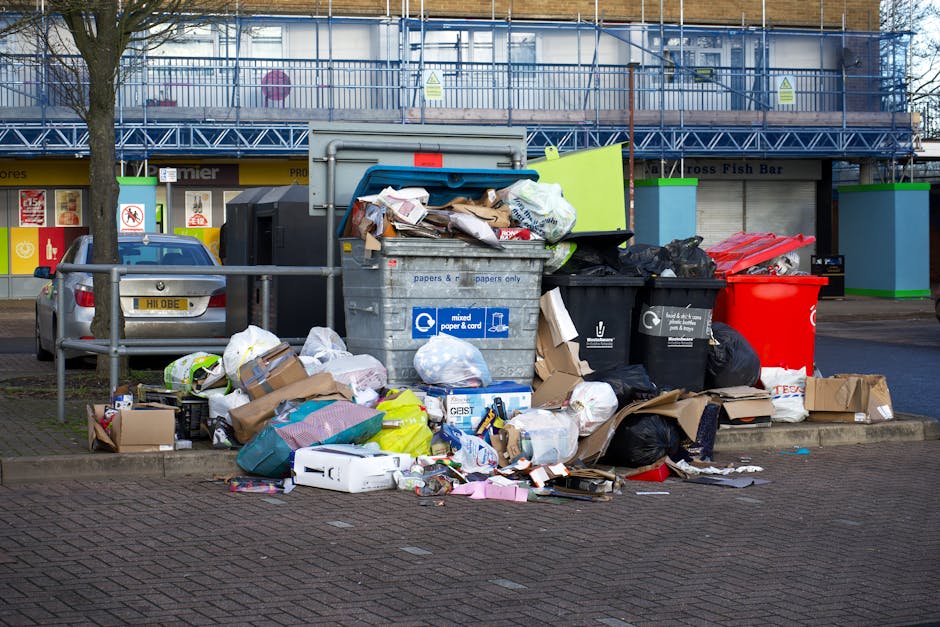
If you are sorting a car boot full of old furniture, broken garden items, or bags of household clutter near Foots Cray Meadows, the job can feel oddly bigger than the pile itself. That is usually the moment people start searching for Foots Cray Meadows bulky rubbish drop off tips: they want a simple, safe, and legal way to shift heavy waste without wasting half a Saturday. Fair enough. The trick is not just getting rid of the stuff; it is knowing what counts as bulky, where it can go, and which option saves you time, money, and stress.
This guide walks you through the practical side of bulky rubbish disposal in and around Foots Cray Meadows. You will find clear step-by-step advice, common mistakes, comparison points, and a checklist you can actually use. If your waste includes mixed materials, awkward items, or anything that needs a bit more planning, you may also want to look at what can go in a skip before you load the van. That one small check can save a lot of back-and-forth.
Why Foots Cray Meadows bulky rubbish drop off tips Matters
Bulky waste is different from day-to-day bin waste. A chair, mattress, broken wardrobe, or bag of renovation offcuts is awkward in shape, heavy to lift, and often mixed with materials that need careful sorting. Around Foots Cray Meadows, where people are often clearing garages, sheds, gardens, or moving house, the wrong approach can turn a tidy-up into a mess of repeated trips, damaged vehicles, and avoidable disposal problems.
Good bulky rubbish drop off tips matter because they help you make a better decision before you start lifting. Do you need a one-off collection? A skip? A wait-and-load service? Can the waste be separated for recycling? Do you need extra help with heavy items like old appliances or sofa disposal? These questions sound basic, but they are the difference between a smooth job and a day that drags on forever.
There is also a local practicality to it. Foots Cray Meadows is a place people use for walking, relaxing, and family time, so nobody wants clutter hanging about in a driveway or being moved twice because it was packed badly. A cleaner, faster approach helps keep your home tidy and your own head clear. And let's face it, once bulky rubbish is out of the way, the space feels bigger straight away.
How Foots Cray Meadows bulky rubbish drop off tips Works
At the simplest level, bulky rubbish drop off means preparing large items, loading them safely, and taking them to the right disposal route. That may be a recycling facility, a licensed waste carrier, a skip, or a collection service. The best option depends on volume, weight, access, and the type of material you are dealing with.
Here is the usual process:
- Identify the items you want to remove and sort them by material.
- Check for anything reusable, recyclable, or restricted.
- Decide whether you can move it yourself or need collection support.
- Choose the most suitable method based on size, access, and timing.
- Load or present the waste in a way that is safe and easy to process.
- Make sure the disposal route is legitimate and appropriate for the waste type.
If you are unsure which method fits your load, a service like rubbish removal can be a straightforward way to deal with mixed bulky items without hiring more equipment than you need. For jobs where you want the waste collected quickly from the front of the property and gone in one visit, that can be a real win.
In practice, people often start with a pile in the garden or garage and realise halfway through that they have a mix of wood, metal, soft furnishings, and maybe one item that should not go in general waste at all. That is normal. The useful part is slowing down just enough to sort it properly before anyone starts carrying things down steps or through narrow hallways.
Key Benefits and Practical Advantages
The right bulky rubbish approach does more than clear space. It can reduce lifting, cut wasted trips, and improve recycling outcomes. A lot of people only think about the end result, but the journey matters just as much. If you have ever tried to move a sofa through a tight side passage, you will know what I mean. It is never as simple as it looks on paper.
- Saves time: A planned drop off or collection beats multiple car journeys and guesswork.
- Reduces physical strain: Heavy or awkward items are easier to manage when you know the route in advance.
- Improves sorting: Separating recyclable waste early can reduce contamination.
- Supports compliance: Using a proper disposal route lowers the risk of fly-tipping or handling restricted items badly.
- Makes budgeting easier: You can compare options before committing to a service.
There is also peace of mind. If you are clearing after a renovation, a move, or a long-overdue tidy-up, the stress often comes from uncertainty. Once you know the plan, the job starts to feel manageable. That alone is worth a lot.
For heavier domestic jobs, it can help to look at domestic skip hire if you expect more than a few items. On the other hand, if the waste is mostly from a garden refresh, garden waste removal may be the cleaner option. Different problems, different tools. Simple, really.
Who This Is For and When It Makes Sense
This advice is useful for homeowners, tenants, landlords, small businesses, tradespeople, and anyone clearing out bulky items in the Foots Cray Meadows area. You do not need a major project to benefit from it. Even one old sofa and a sagging mattress can be enough to justify a proper plan.
It makes sense when:
- you are replacing furniture and need the old items removed quickly;
- you have finished a garage, loft, or shed clear-out;
- you are dealing with mixed household waste that will not fit in standard bins;
- you are tidying up after light building or DIY work;
- you need to clear a property before sale or end of tenancy;
- you want to avoid making several trips in a car or van;
- you are working to a deadline and do not want waste left around.
It is especially useful if the waste includes items that are awkward to handle or hard to classify. A broken wardrobe might be straightforward, but a fridge, mattress, or sofa can bring different handling considerations. If you are looking at those specific items, fridge and appliance removal and mattress and sofa disposal are worth checking because they deal with the practical headaches people usually run into.
Step-by-Step Guidance
A clear process makes a bulky drop off much less painful. Here is a practical approach you can follow without overthinking it.
1. Make a full waste list
Walk around the pile and write down what is there. Be specific. "Old stuff in garage" is not helpful. "One wardrobe, one bedside cabinet, two broken dining chairs, three sacks of mixed offcuts" is better. The more clearly you identify the load, the easier it is to choose the right disposal method.
2. Separate the obvious categories
Put wood with wood, metal with metal, green waste with green waste, and electrical items to one side. This is not about making the job look neat for the sake of it; it is about reducing contamination and giving yourself options. A mixed heap can work, but it often costs more or limits what can be recycled.
3. Check for restricted items
Anything hazardous, sharp, or containing oils, gases, chemicals, or refrigerants needs more care. If you are unsure, stop and check before loading it with the rest. That small pause can prevent a much bigger problem later.
4. Measure access, not just volume
People often focus on how much waste they have and forget the route out. Can a lorry or skip reach the property? Is there enough space to manoeuvre? Will you need to carry things through a narrow gate or around a parked car? Access issues are where plans fall apart, honestly.
5. Choose the disposal method that matches the load
For a small household clear-out, a van-based collection may be enough. For larger or heavier waste, a skip or grab-style solution may save time. If you need waste lifted from roadside or from a position where loading equipment can reach, grab hire services can be a practical choice. If you want a quick same-day turnaround, same-day skip hire may suit a fast-moving project.
6. Load safely and sensibly
Put heavy items at the bottom, lighter or crushable items on top, and avoid creating unstable piles. Try not to trap smaller items inside bulky furniture unless you know they are allowed to stay together. Keep a clear path for lifting. A rushed lift at the front door is where people strain backs and chip plaster for no good reason.
7. Confirm the next step
Once the waste is ready, make sure you know exactly when and how it is going. If it is being collected, keep access clear. If you are dropping it off, confirm loading times and any rules about sorting. If you are booking a skip, check whether you need to consider skip hire permits if the skip may need to sit on a public road.
Expert Tips for Better Results
Small choices make a big difference with bulky waste. Here are the things that usually help most.
- Break down what you can. Flat-pack furniture, dismantled bed frames, and separated components are easier to move and often easier to recycle.
- Keep dry items dry. Wet cardboard, soaked fabric, and muddy timber become heavier and harder to process. A tarp or garage space can help.
- Book around your own schedule. If you are doing the job after work or on a Saturday morning, plan the collection for a window where you can actually be there. Sounds obvious, but people do miss it.
- Match the method to the access. Narrow lane? Front garden with limited room? Busy driveway? These details matter more than many people expect.
- Ask about recycling routes. A reputable waste provider should be able to explain how material is sorted or recovered. That is useful, especially if your load is mixed.
To be fair, the best tip is usually the least glamorous one: slow down at the start. Spend ten minutes sorting properly and you can save an hour later. That is a decent trade.
If your project is part of a bigger clearance, you may also want to consider garage and loft clearance or house clearance support where the load has grown beyond a simple one-off. In those situations, a little planning goes a very long way.
Common Mistakes to Avoid
Most bulky waste problems are preventable. They usually come from rushing, guessing, or assuming the job is smaller than it is.
- Mixing everything together without checking. That can make recycling harder and disposal more expensive.
- Underestimating weight. Old cupboards and soaked garden materials can be surprisingly heavy.
- Ignoring access restrictions. A narrow drive or low branch can change the entire plan.
- Leaving restricted items until the end. Then you are stuck with something that cannot go with the rest.
- Booking the wrong service. A method that works for renovation debris may be clumsy for household furniture.
- Forgetting about permits or placement rules. Especially relevant where a skip may need road placement.
Another common one: people focus so much on the "drop off" part that they do not prepare the area first. Then the path is blocked by plant pots, bikes, a toddler's scooter, and the one bin that somehow weighs a tonne. It happens. Clear the route first.
Tools, Resources and Recommendations
You do not need a giant toolkit, but a few practical items make bulky rubbish handling easier and safer.
- Work gloves: helpful for splinters, sharp edges, and awkward grips.
- Trolley or sack barrow: useful for moving heavier loads across flat ground.
- Straps or rope: helps secure items in a van or keep dismantled parts together.
- Dust sheets or tarps: good for protecting floors and keeping waste dry.
- Marker pen and tape: handy for labelling sorted piles or sealed bags.
- Basic screwdriver or drill: useful when breaking down furniture before collection.
For people who want a more hands-off approach, man and van can suit lighter loads or properties with tricky access, while wait and load skip hire can be ideal if you want the container there briefly and gone the same day. That kind of flexibility is often exactly what busy households need.
If you are looking at pricing and want to compare options properly, skip sizes and prices gives a sensible starting point. Do not choose on price alone, though. Capacity, access, and turnaround time can be just as important as the number on the page.
Law, Compliance, Standards, or Best Practice
For bulky rubbish drop off, the main rule is simple: waste should go to a legitimate, appropriate disposal route. In the UK, people are expected to take reasonable care that waste is handled by an authorised carrier or through a proper facility. That does not mean you need to become a waste-law expert. It does mean you should avoid handing things to anyone who cannot clearly explain what happens next.
Good practice also means being careful with certain materials. Electrical items, appliances, upholstered furniture, sharp metal, and anything potentially hazardous should be treated with extra caution. If waste contains confidential papers from a home office or small business, a separate route may be more sensible; confidential shredding exists for exactly that sort of need.
For construction, renovation, or site-based work, keep the waste stream as clean as possible. A mixed pile of rubble, timber, plasterboard, packaging, and household waste is harder to manage and usually less efficient. If your project is more trade-focused, builders waste removal or construction waste disposal may be the better route. For demolition-heavy jobs, the more specialised demolition waste removal page is worth a look too.
One more thing: if a skip is involved and it needs to sit on the highway, permit rules may apply. That is not the fun part of the job, but it is part of doing things properly. The sensible route is to check in advance rather than finding out on collection day.
Options, Methods, or Comparison Table
There is no single best method for every bulky rubbish job. The right choice depends on volume, access, urgency, and how much lifting you want to do yourself. Here is a simple comparison.
| Method | Best for | Pros | Watch-outs |
|---|---|---|---|
| Van-based rubbish removal | Small to medium loads, mixed household items | Quick, simple, minimal setup | Less suitable for very large volumes |
| Skip hire | Ongoing clear-outs, DIY, mixed bulky waste | Flexible, can be filled over time | Needs space and possibly a permit |
| Grab hire | Heavy, loose waste with good vehicle access | Efficient for larger loads, fast removal | Needs clear reach and loading area |
| Wait and load | Jobs where you can load immediately | Fast, tidy, no long skip stay | Requires organised loading on the day |
| Specialist removal | Appliances, furniture, sofas, mattresses | More suitable for awkward items | Check item-specific handling needs |
For many households around Foots Cray Meadows, the decision comes down to two questions: how quickly do you want the waste gone, and how much control do you want over the loading? If you want a broader overview of the process before choosing, skip hire is a useful reference point, and waste recycling services can help you think more carefully about what happens after collection.
Case Study or Real-World Example
A typical local scenario goes like this. A family in the Foots Cray Meadows area clears out a garage on a damp Saturday morning. There is an old sofa, a broken bookshelf, a couple of garden chairs, some timber offcuts, and a fridge that has been sitting there far too long. The first instinct is to pile everything near the driveway and "deal with it later".
Instead, they sort the items into three groups: furniture, garden and wood waste, and appliance removal. They measure access to the drive, realise a standard van would mean too many trips, and decide to split the job. The furniture goes with a removal service, the green waste is bundled separately, and the fridge is handled through a specialist collection route. The whole thing is done in one day, without a second weekend lost to lifting and loading.
That kind of outcome is not about being overly organised. It is about making a few smart decisions early. The family still had to do some lifting, sure, but not the endless shuffling that makes a simple job feel never-ending. Truth be told, that's often the real difference between a stressful clear-out and a manageable one.
If you are dealing with property contents rather than just a few bulky items, garage and loft clearance or site clearance may also be relevant, depending on the scale. Bigger job, bigger plan. Nothing fancy, just practical.
Practical Checklist
Use this checklist before you start moving bulky rubbish:
- List every item you want removed.
- Separate reusable, recyclable, and restricted items.
- Check for sharp edges, glass, liquids, batteries, or electrical parts.
- Measure access routes, gates, stairs, and vehicle space.
- Decide whether you need a skip, collection, or specialist service.
- Confirm whether a permit may be needed for roadside placement.
- Protect floors, walls, and doorframes where items will pass through.
- Keep the route clear on the collection or drop off day.
- Label anything that should stay separate.
- Double-check the timing so you are not left waiting around with the pile still there.
If your job includes office contents or paperwork, consider office clearance and commercial skip hire for larger business-related loads. Different settings, same need for a calm and tidy process.
Conclusion
Foots Cray Meadows bulky rubbish drop off tips are really about making the job simpler before it becomes complicated. Sort the waste, check the access, choose the right method, and keep the load safe and legal. That is the whole game, really. You do not need to over-engineer it, but you do need a plan.
Whether you are clearing a few awkward household items or tackling a bigger job after renovation or a move, the best results usually come from a small amount of preparation. Get the basics right and the rest tends to fall into place. A bit of care at the start saves a lot of dragging, lifting, and muttering later on.
Get a free quote today and see how much you can save.
And if you are still weighing up the next step, take a breath, make the list, and start with the easiest item first. Progress has a funny way of building itself once the first awkward thing is gone.
Frequently Asked Questions
What counts as bulky rubbish near Foots Cray Meadows?
Bulky rubbish usually means items too large or awkward for normal household bins, such as sofas, wardrobes, mattresses, appliances, broken furniture, and mixed clear-out waste.
Can I drop off bulky rubbish myself?
Yes, if you have a suitable vehicle and the waste is safe and legal to transport. The main thing is checking the item type, access, and whether anything needs specialist handling.
Is skip hire better than a one-off collection?
It depends on the job. Skip hire works well if you are clearing over time, while one-off collection is usually better for a quick load that you want removed in a single visit.
Do I need a permit for a skip?
You may need a permit if the skip is placed on a public road or highway. If it stays fully on private land, a permit may not be necessary, but it is worth confirming before you book.
What should I do with old appliances?
Appliances should be handled separately if possible, especially fridges, freezers, and items with electrical parts. A specialist appliance removal service is often the easiest route.
Can bulky waste include garden cuttings and wood?
Yes, but it is better to separate green waste from timber and mixed household rubbish wherever you can. That usually makes disposal cleaner and more efficient.
How do I know if an item is hazardous?
If an item contains chemicals, oils, gas, batteries, refrigerants, or unknown liquids, treat it cautiously. When in doubt, do not mix it with ordinary bulky waste until you have checked.
Is wait and load suitable for bulky rubbish?
It can be, especially if you can load quickly and do not want a container left on site. It suits organised jobs where access is clear and the load is ready to go.
What is the easiest way to clear a sofa and mattress together?
The easiest route is usually a dedicated furniture disposal service or a broader rubbish removal booking. Those items are awkward enough that a single plan is often better than making separate trips.
Can I put mixed household waste with renovation waste?
Sometimes, but it is not always the best idea. Mixed loads can be harder to process and may include materials that need separate handling. Sorting first usually pays off.
How can I reduce the cost of bulky rubbish removal?
Break items down, separate recyclable materials, avoid contamination, and choose the right service size for the job. Choosing correctly at the start is usually where the saving happens.
What is the safest way to move heavy items out of the house?
Use two people where possible, clear the route, wear gloves, and use a trolley for heavier pieces. If something feels too awkward, it probably is. Better safe than sorry, as they say.
Where can I check what is allowed in a skip?
It is wise to review the relevant guidance before loading anything, especially for appliances, furniture, electricals, and mixed construction debris. A simple pre-check prevents a lot of hassle later.